

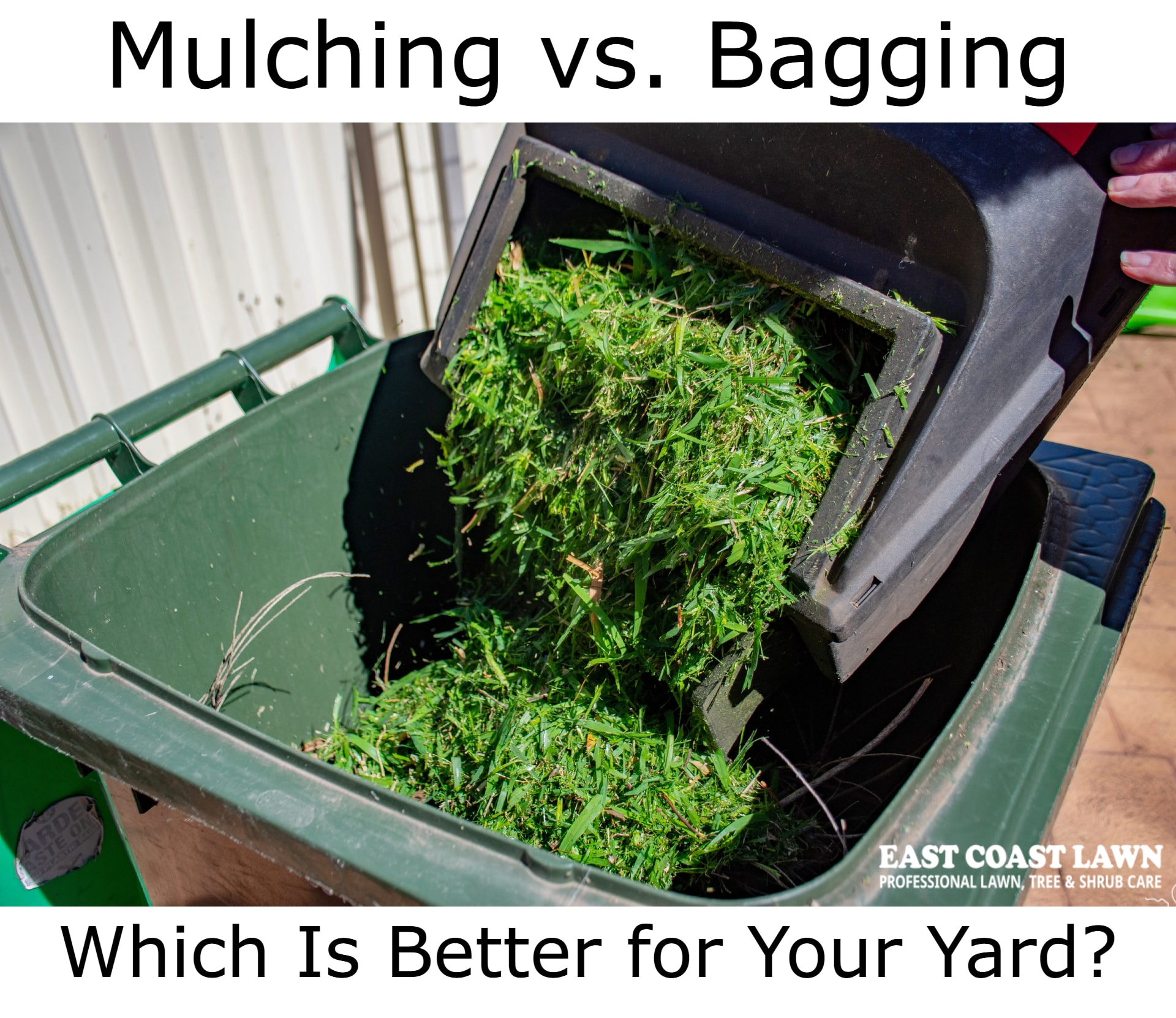
Mulching vs. Bagging: Which Is Better for Your Yard?
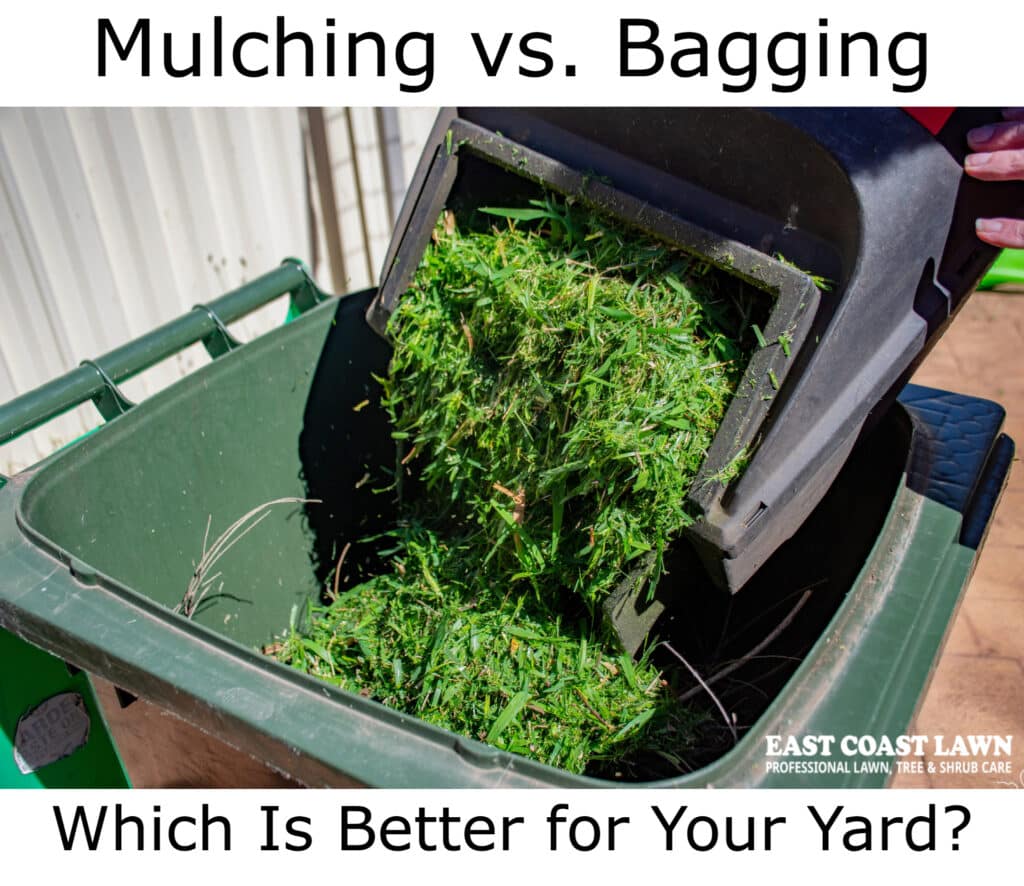
When it comes to mowing the lawn, homeowners have two common options for dealing with grass clippings: mulching or bagging. While both methods can keep your yard looking neat, they have different effects on lawn health, maintenance, and the amount of yard waste you produce.
So, is mulching or bagging better for your lawn? The answer depends on your grass, mowing habits, lawn conditions, and overall goals. Understanding the differences can help you choose the right lawn care approach for your property.
What Is Grass Clipping Mulching?
Mulching grass clippings means leaving finely chopped clippings on the lawn after mowing rather than collecting them in a bag. A mulching mower or mulching blade cuts the grass into small pieces that can settle between the grass blades.
These small clippings decompose naturally and return nutrients and organic matter to the soil. When done correctly, mulching can be an efficient part of a regular lawn maintenance routine.
Benefits of Mulching Grass
One of the biggest advantages of mulching is that you don’t have to collect, transport, or dispose of grass clippings.
Other potential benefits include:
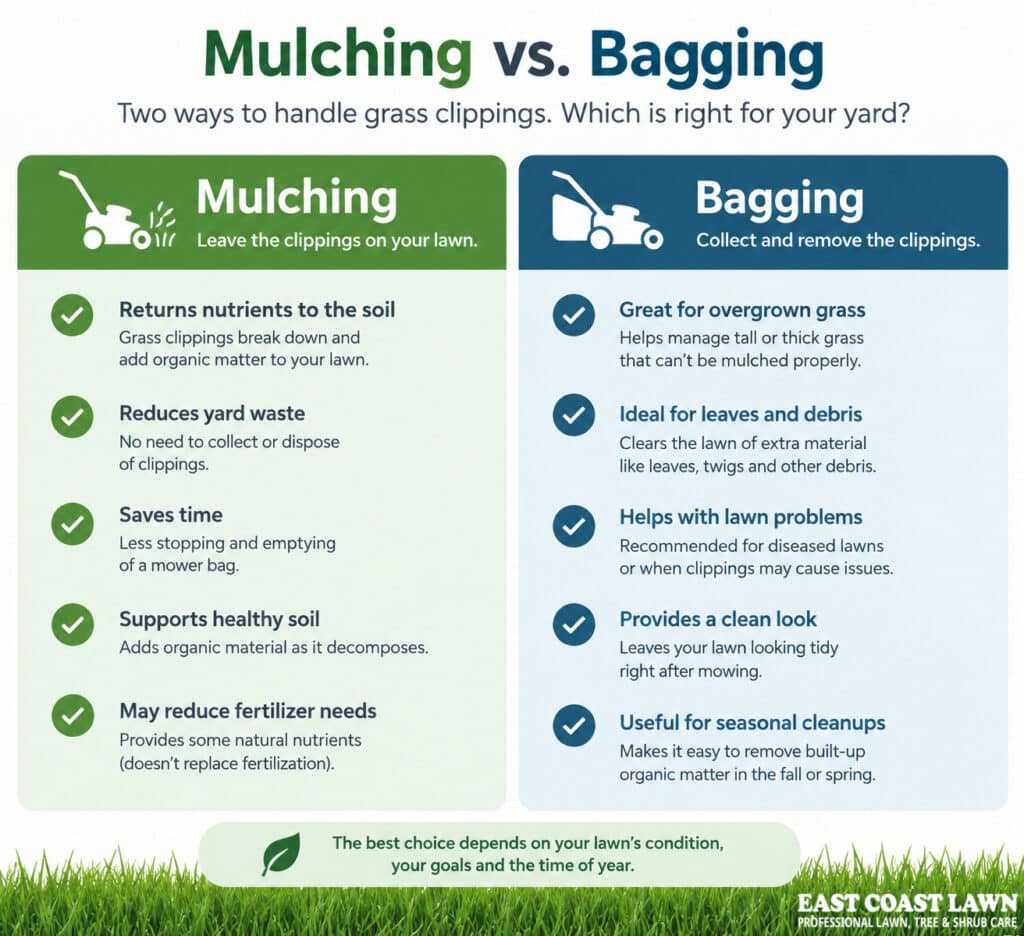
- Returns nutrients to the soil: Grass clippings contain nutrients that can be recycled back into the lawn as they decompose.
- Reduces yard waste: Keeping clippings on the lawn means less organic material needs to be hauled away.
- Saves time: You don’t have to stop and empty a mower bag repeatedly.
- Can support healthy soil: Decomposing clippings contribute organic material to the lawn ecosystem.
- May reduce fertilizer needs: Nutrients returned through grass clippings can supplement, but not necessarily replace, a lawn’s fertilization program.
For routine mowing, grasscycling—the practice of leaving appropriate grass clippings on the lawn—is generally a practical way to manage clippings.
What Is Bagging Grass Clippings?
On the other hand, bagging grass clippings involves attaching a collection bag to your mower and removing the clippings from the lawn after mowing.
Bagging can be particularly useful when the grass is excessively tall, wet, or covered with leaves and other debris. It also gives the lawn an immediately clean appearance.
Benefits of Bagging
Bagging may be the better choice when:
- The grass has become significantly overgrown.
- You are removing a large amount of leaves or other debris.
- The lawn has developed a disease and your lawn care professional recommends removing clippings.
- Clippings are clumping heavily instead of distributing evenly.
- You want a particularly clean appearance after mowing.
- You are mowing an area where clippings should not be left behind.
Bagging can also be useful during certain seasonal cleanups when your primary goal is removing leaves and other organic debris from the lawn.
Mulching vs. Bagging: Which Is Better?
For regular lawn mowing, mulching is often a convenient choice when the lawn is healthy and the grass is being maintained at an appropriate height. Properly distributed clippings generally break down quickly and return nutrients to the soil.
However, bagging has an important place in professional lawn care. If grass is too tall, wet, or diseased, or if there is substantial leaf buildup, collecting clippings may be more practical.
The key isn’t necessarily choosing one method for every mowing. A professional lawn maintenance program may use both mulching and bagging depending on the condition of the lawn and the time of year.
Does Mulching Cause Thatch?
A common misconception is that leaving grass clippings on the lawn automatically causes thatch buildup.
In reality, grass clippings are not generally the primary cause of thatch. Clippings are mostly water and decompose relatively quickly. Thatch is primarily composed of slowly decomposing stems, roots, and other plant material that accumulates between the soil surface and living grass.
As long as you mow properly and maintain a healthy lawn, leaving appropriately sized grass clippings on the lawn typically isn’t a reason to be concerned about thatch.
What About Wet Grass?
Mowing wet grass can create problems regardless of whether you mulch or bag.
Wet grass can be more difficult to cut evenly and may form clumps that block sunlight and air from reaching the turf underneath. It can also make mowing less efficient and potentially contribute to soil compaction when equipment travels repeatedly over saturated ground.
Whenever possible, wait for the grass to dry before mowing.
The Bottom Line: Mulching or Bagging?
For many homeowners, mulching is an excellent choice for routine lawn mowing because it saves time, reduces yard waste, and returns nutrients to the soil. However, bagging remains useful for overgrown grass, heavy leaf accumulation, certain lawn problems, and situations where removing clippings is appropriate.
The best lawn care strategy isn’t necessarily about choosing one method exclusively. Instead, consider the current condition of your lawn and adjust your mowing practices accordingly.
If you’re unsure how often to mow, what height to maintain, or whether your lawn would benefit from mulching or bagging, consider professional lawn care services from East Coast Lawn. We can evaluate your property and develop a maintenance plan based on your grass type, soil conditions, and seasonal needs. Call now to learn more.
Comments are closed.